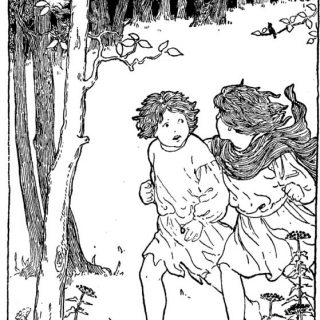
Baba Yaga
Somewhere, I cannot tell you exactly where, but certainly in vast Russia, there lived a peasant with his wife and they had twins—son and daughter. One day the wife died and the husband mourned...
English Folktales / Folklore / Folktales / Occult / Occult Traditions / Other Mysteries / Witchcraft
by Ian · Published February 18, 2022
There is a story associated with St Peter’s Church, Slinfold which concerns the common folklore motif of a new bell being lost in transport. The bell in question is thought to have been enroute...
Apparitions / Haunted Pubs / Hauntings / Occult Traditions / Witchcraft
by Ian · Published June 17, 2020
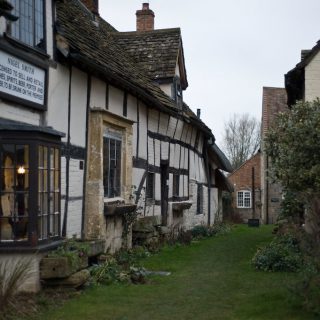
The Fleece Inn dates from the 15th century and up until 1977 remained in the original builder’s family. The builder was a farmer called Byrd and in 1977, Lola Taplin a direct descendent of...
Folklore / Hauntings / Occult / Witchcraft
by Ian · Published May 30, 2020 · Last modified June 30, 2020
A pit in a farmer’s field at Springhead called ‘Th’ Pob Hole’ was thought to be a dark place where a local witch named Nan o’ Pob’s committed suicide. Her ghost is said to...
Folklore / Occult / Occult Traditions / Witchcraft
by Ian · Published March 22, 2020 · Last modified March 22, 2024
According to ‘The Folklore Of Lincolnshire by Mabel Peacock (December 1900).’ The survival in England of the belief in witchcraft is sometimes questioned. Lady Rosalind Northcote appears to doubt whether it survives in Devonshire....
Folklore / Occult / Occult Traditions / Witchcraft
by Ian · Published February 15, 2020 · Last modified February 15, 2021
At the end of the 17th century, John Fergusson of Cummertrees was found guilty of using divination to identify a thief who had stolen a sack containing some cheese and herrings. The technique he...
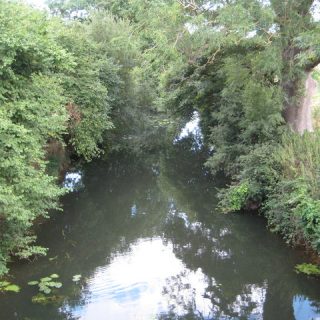
‘The Gnat Hole Wood is very pleasant in the Summer time when there are no gnats about. The small stream of water that runs through the wood at one place forms a small pool;...
English Folktales / Folklore / Folktales / Occult / Occult Traditions / Witchcraft
by Ian · Published February 18, 2018 · Last modified February 18, 2022
Tradition has it that Dame Prettylegs, a 19th century witch living in Albourne would hag-ride horses and be able to immobilize teams of animals pulling carts. Hag ridden horses were thought to have been...
Apparitions / Book Review / Buried Treasure / Devil / Dragons / English Fairies / English Folktales / Fairies / Folklore / Folktales / Ghost Stories / Haunted Hotels / Haunted Pubs / Hauntings / King Arthur / Legends / Review / Road Ghosts / Screaming Skulls / Wells / Witchcraft
by Ian · Published March 21, 2016 · Last modified October 12, 2018
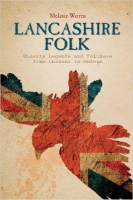
I’ve known Mel for over 20 years, meeting though ASSAP while investigating paranormal cases in the North of England. We share a passion for collecting stories and coming from Lancashire myself I have been looking forward to reading Mel’s new book and revisiting some of the old stories, coming across some new ones..and of course, I can now add the book to my collection!

Apparitions / Hauntings / Witchcraft
by Ian · Published February 9, 2016 · Last modified December 29, 2018
The following article by Sam Balls was published in the Essex Chronicle, 1 February 2016. It is entitled ‘Britain’s most haunted house and former medieval prison is up for sale in Essex for £180,000’
Ghost hunters can snap up Britain’s most haunted house after the Essex-based creepy cottage was put on the market for £180,000.
More
Necessary cookies are absolutely essential for the website to function properly. This category only includes cookies that ensures basic functionalities and security features of the website. These cookies do not store any personal information.
Any cookies that may not be particularly necessary for the website to function and is used specifically to collect user personal data via analytics, ads, other embedded contents are termed as non-necessary cookies. It is mandatory to procure user consent prior to running these cookies on your website.

Recent Comments