Mermaid M887
‘A mermaid was cast ashore by the sea in the country of Alba. One hundred and ninety five feet was her length, eighteen feet was the length of her hair, seven feet was the...
‘A mermaid was cast ashore by the sea in the country of Alba. One hundred and ninety five feet was her length, eighteen feet was the length of her hair, seven feet was the...
Fairies / Folklore / Folktales / Scottish Fairies / Scottish Folktales
by Ian · Published March 14, 2015 · Last modified November 19, 2018
The following extract is taken from Folklore [A Quarterly Review of Myth, Tradition, Institution & Custom] Vol III (1892). ‘This is a small loch on the side of the old military* road between Gorgarff and Tomintoul. The road passes close by its brink on the west side. On the other side of the road is an almost perpendicular rock, between 400 and 500 feet high.
Ancient Sites / Fairies / Folklore / Scottish Fairies / Wells
by Ian · Published March 14, 2015 · Last modified November 19, 2018
The following description of The Big Cold Well is taken from Folklore [A Quarterly Review of Myth, Tradition, Institution & Custom] Vol III (1892). ‘This well is situated at the bottom of a steep hill in a fork between two small streams on the estate of Allargue, Corgarff. There are three springs that supply the water, distant from each other about a yard.
Ancient Sites / Fairies / Folklore / Folktales / Scottish Fairies / Scottish Folktales / Wells
by Ian · Published January 14, 2015 · Last modified November 19, 2018
‘This well lies near the old military road, near the top of the hill that divides the glen of Corgarff from Glengairn. In a small knoll near it lived a spiteful Spirit that went by the name of Duine-glase-beg, i.e., the Little Grey Man. He was guardian of the well and watched over its water with great care.
English Fairies / Fairies / Folklore / Irish Fairies / Manx Fairies / Occult / Occult Traditions / Scottish Fairies / Welsh Fairies / Witchcraft
by Ian · Published July 28, 2014 · Last modified January 1, 2019
Our modern conventions tend to view the realms of fairies and witches separately. Witches have been viewed as evil, while fairies are seen as benevolent, cute, and kind. As scholars reevaluate witch trials and the confessions of those accused, we are coming to new conclusions on accused witches.
Fairies / Folklore / Scottish Fairies
by Ian · Published July 10, 2014 · Last modified December 18, 2018
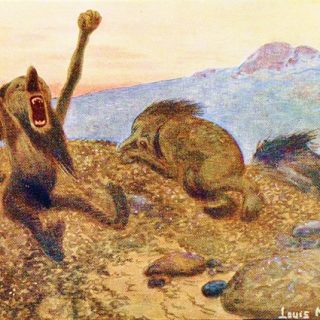
Trows are fascinating creatures found only in the folklore of the Orkney and Shetland islands. But, describing them accurately is difficult because sources are not clear. Folklorists have long insisted that the word “trow” is a corruption of “troll,” and that Orkney’s Trows descend from their Viking ancestors’ stories of Trolls.
Articles / Fairies / Folklore / Mermaids / Scottish Fairies
by Ian · Published June 30, 2014 · Last modified December 18, 2018
Folklore is an integral part of any cultural heritage. Sometimes written off as childish fairytale, folklore deserves to be recognized as a valuable treasure trove of information about our own past. The tales and legends of folklore are the result of oral tradition handed down by mouth through the generations.
Fairies / Folklore / Folktales / Scottish Fairies / Scottish Folktales
by Ian · Published February 14, 2014 · Last modified November 19, 2018
The following extract is taken from Folklore [A Quarterly Review of Myth, Tradition, Institution & Custom] Vol III (1892). ‘Lochan-wan* is a small loch, in a fine grazing district, lying on the upper confines of Aberdeen and Banffshire.
Fairies / Folklore / Irish Fairies / Scottish Fairies
by Ian · Published January 9, 2014 · Last modified January 1, 2019
From high mountain pass, exhaling ice breath, (2).
Comes Cailleach clothed in summers death.
Cold fingers search under starlight’s lantern
Staff cracks dew to frosted mantle, (3).
In the stags hoary frosted bark,
Riding with wolves on the cloak of the dark. (4).
From mountain, hillock, stone and spring (5).
Ancient Sites / Articles / Burial Mounds / English Fairies / Fairies / Folklore / Irish Fairies / Scottish Fairies / Welsh Fairies
by Ian · Published July 24, 2013 · Last modified November 18, 2018
Hills, mounds and burial sites. Places which have a timeless allure. Such places can be seen and regarded as mythically liminal, a place that it is not a place. A place outside of time. A place where the living freely walk with the dead. Barrows are just such places.
More
Necessary cookies are absolutely essential for the website to function properly. This category only includes cookies that ensures basic functionalities and security features of the website. These cookies do not store any personal information.
Any cookies that may not be particularly necessary for the website to function and is used specifically to collect user personal data via analytics, ads, other embedded contents are termed as non-necessary cookies. It is mandatory to procure user consent prior to running these cookies on your website.
Recent Comments