Mynydd y Fedw
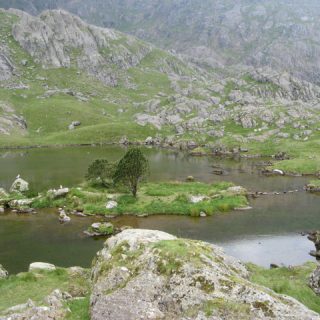
In ‘Celtic Folklore Welsh And Manx’ (1901), John Rhys recounted the following folktale originally passed down Siân Dafydd of Helfa Fawr, and Mari Domos Siôn of Tyn Gadlas, Llanberis who would probably have been born around 1770.
Fairies / Folklore / Folktales / Welsh Fairies / Welsh Folktales
by Ian · Published April 22, 2012 · Last modified November 23, 2018
In ‘Celtic Folklore Welsh And Manx’ (1901), John Rhys recounted the following folktale originally passed down Siân Dafydd of Helfa Fawr, and Mari Domos Siôn of Tyn Gadlas, Llanberis who would probably have been born around 1770.
Ancient Sites / Folklore / Folktales / Wells / Welsh Folktales
by Ian · Published April 19, 2012 · Last modified November 23, 2018
This natural spring is situated on flat ground on the northern side of the headland of Great Orme. It is said that it never runs dry, even in times out drought. The water from the well is also said to be beneficial in the development of strong bones and teeth in children. There is an old story linked to this well.
Folklore / Folktales / Welsh Folktales
by Ian · Published April 19, 2012 · Last modified November 23, 2018
This is another sunken palace / drowned town legend from north Wales. As the story goes, Llys Helig was the palace of Helig ap Glannog, and it once stood somewhere in the area that Conwy Bay is today. It is said to have been inundated by a great flood sometime in the 6th Century. There are several different recounts of the legend, but the one below is a popular one.
Ancient Sites / Folklore / Folktales / Mabinogion / Roman / Welsh Folktales
by Ian · Published March 28, 2012 · Last modified November 23, 2018
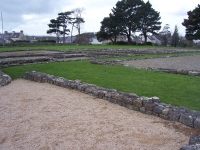
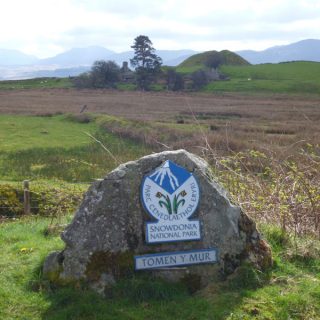
This is the remains of a Roman auxiliary fort, one of the largest, and last to be abandoned by the Romans in North Wales. It was built by Gnaeus Julius Agricola in around 77 AD after his victory over the native tribe, the Ordovices.
Ancient Sites / Folklore / Folktales / Mabinogion / Roman / Welsh Folktales
by Ian · Published March 28, 2012 · Last modified November 22, 2018
Tomen-y-Mur (translated as ‘Mound in the Walls’) was originally an ancient Roman fort on the slope of Mynydd Maentwrog to the north east of Llyn Trawsfynyedd, with access from A470 although it is not signposted.
Fairies / Folklore / Folktales / Welsh Fairies / Welsh Folktales
by Ian · Published March 19, 2012 · Last modified January 2, 2019
The following story appeared in P. H. Emerson’s ‘Welsh Fairy-Tales and Other Stories’ (1894). Many years ago the Welsh mountains were full of fairies. People used to go by moonlight to see them dancing, for they knew where they would dance by seeing green rings in the grass.
Folklore / Folktales / Mabinogion / Welsh Folktales
by Ian · Published March 19, 2012 · Last modified January 2, 2019
WHEN the seven men of whom we spoke above had buried the head of Bendigeid Vran, in the White Mount an London, with its face towards France; Manawyddan gazed upon the town of London, and upon his companions, and heaved a great sigh; and much grief and heaviness came upon him.
Folklore / Folktales / King Arthur / Legends / Welsh Folktales
by Ian · Published March 18, 2012 · Last modified December 9, 2018
Lady Charlotte Guest published the first English translation of The Mabinogion and below is how the tale of The Dream of Rhonabwy appeaed in it [1877].
Folklore / Folktales / Welsh Folktales
by Ian · Published March 18, 2012 · Last modified November 22, 2018
Branwen The Daughter Of Llyr is part of The Mabinogion. The following is taken from Lady Charlotte Guest’s translation which was published in 1877.
Fairies / Folklore / Folktales / Welsh Fairies / Welsh Folktales
by Ian · Published March 16, 2012 · Last modified November 23, 2018
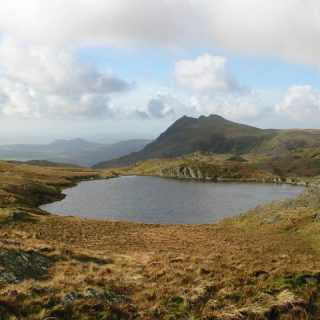
If you ascend Yr Wyddfa (Mount Snowdon) on the Snowdon Ranger path you will encounter Llyn Coch. Legend has it that this lake is a favourite abode of the Tylwth Teg (Fairy Folk). There is a ‘Fairy Bride’ legend associated with the lake, one version of which goes something like this:
More
Recent Comments