The Gwiber of Penmachno
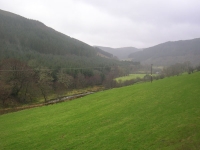
The word "gwiber" in Welsh means viper or adder but many centuries ago the word actually meant "flying snake" . This is the story of how Wibernant (meaning "valley of the gwiber) which is near Penmachno got its name.
Dragons / Folklore / Folktales / Legends / Welsh Folktales
by Ian · Published September 12, 2008 · Last modified November 23, 2018
The word "gwiber" in Welsh means viper or adder but many centuries ago the word actually meant "flying snake" . This is the story of how Wibernant (meaning "valley of the gwiber) which is near Penmachno got its name.
Folklore / Folktales / Mabinogion / Welsh Folktales
by Ian · Published September 12, 2008 · Last modified January 1, 2019
The story of Pwyll is found in the Mabinogion, a collection of old Welsh stories translated by Lady Charlotte Guest, and published in 1849. It describes how Pwyll the Lord of Dyfed meets the underworld king Arawn and how the two become close allies.
Folklore / Folktales / Giants / Legends / Welsh Folktales
by Ian · Published September 12, 2008 · Last modified January 2, 2019
The original tale first appeared in The Athenaeum, published in 1847, and tells how a tyrannous figure became even more fearsome as a ghost after he had died. Three brave priests finally exorcise the ghost with a mix of magic and prayer.
Articles / Articles / Folklore / Folktales / Legends / Mabinogion / Welsh Folktales
by Ian · Published September 12, 2008 · Last modified January 2, 2019
This is the version translated by Lady Charlotte Guest, and published in 1849 in the collection of old Welsh tales entitled the Mabinogion. Traditionally Taliesin is placed in the time of Arthur, which is generally believed to be in the 6th century AD.
Folklore / Folktales / Welsh Folktales
by Ian · Published September 12, 2008 · Last modified December 9, 2018
This tale tells how a young shepherd won and lost a fairy bride from Lynn y Fan Fach (Van Vach), the fairy lake at the foot of Bannau Sir Gaer in the Brecon Beacons. This version was collected and told by Joseph Jacobs and appeared in his book Celtic Fairy Tales published in 1892 (David Nutt).
Ancient Sites / Early Christianity / Hauntings / King Arthur / Legends / Mabinogion / Wells
by Ian · Published September 11, 2008 · Last modified January 1, 2019
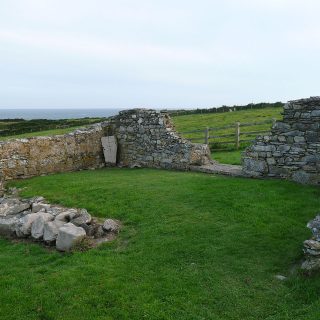
St David’s Peninsula is supposedly the landing place of Twrch Trwyth, the magical boar told in the story of Culhwch and Olwen in the Mabinogion, King Arthur features heavily in the story. It is also the place where St Patrick is said to have sailed for Ireland to convert them to Christianity.
Folklore / Folktales / Welsh Folktales
by Ian · Published September 11, 2008 · Last modified November 23, 2018
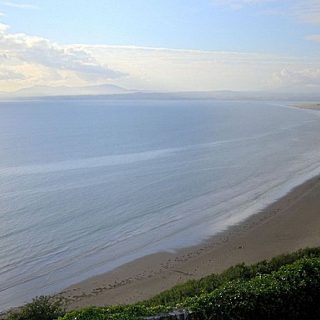
This tale is one of two stories of a similar theme attached to Cardigan Bay in Gwynedd. This story is the later one of the two and explains how a realm was lost to the sea through debauchery and drunkenness. There are traces of walls and roadways under the sea at Cardigan Bay, they can be seen at low tide and may have given rise to the legend of the ‘Lost Lowland Hundred’.
Fairies / Folklore / Folktales / Mermaids / Scottish Folktales
by Ian · Published August 12, 2008 · Last modified November 3, 2018
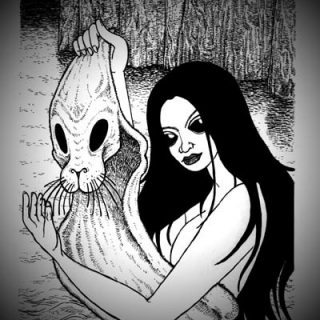
There is a story connected to Loch Druich and three brothers who happened across a troupe of merfolk. One night the brothers were by the loch side when they saw a group of seals come up onto the beach and shred their furry skins. Beneath the skins were naked people, who danced together on the shore.
English Folktales / Fairies / Folklore / Folktales
by Ian · Published August 6, 2008 · Last modified December 14, 2018
This story was told by medieval writers (Ralph of Coggestall and William of Newbridge), about the discovery of fairy children in the South of England in the twelfth century.There are two versions of the story, one placed in Suffolk and one in Norfolk, with only a small distance separating them.
English Folktales / Folklore / Folktales / Hauntings
by Ian · Published August 6, 2008 · Last modified November 20, 2018
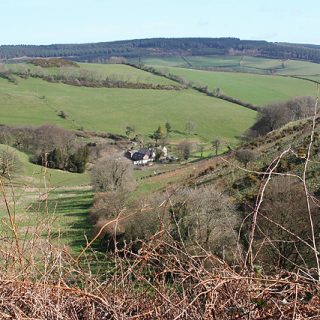
Croydon Hill is the scene of a peculiar English Folktale, that may or may not have its root in real events. Whatever the truth of the tale the hill has a reputation of being haunted by unearthly howls, especially on dark and stormy nights, and here is the story to account for this unearthly manifestation:
More
Recent Comments