Country and County: Wales
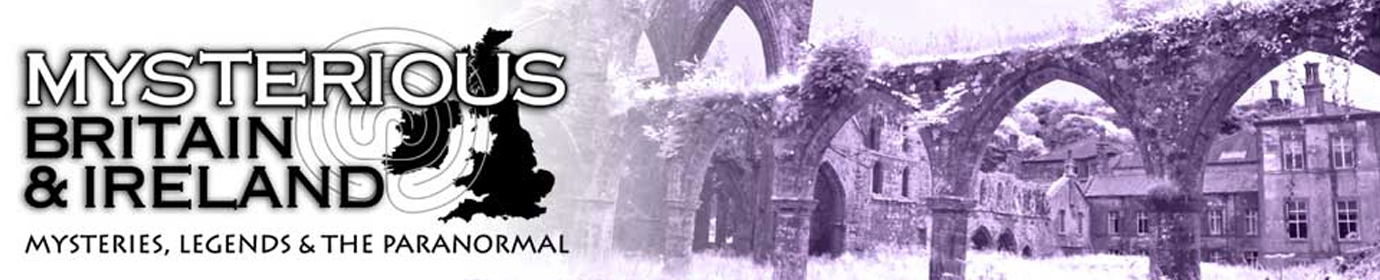
The Carneddau Hengwm are a couple of quite large tumuli or Neolithic burial chambers that are about two and half miles inland from Llanaber off the A496 Meirionnydd coastal road between Barmouth and Harlech. They lie in an East to West alignment, about fifty yards apart and at an altitude of 900 feet.
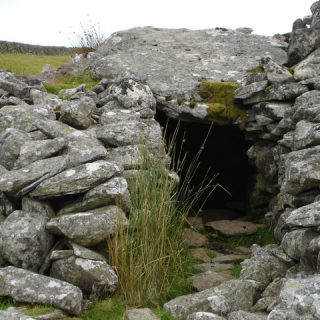
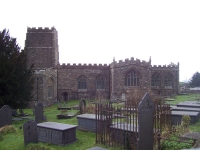
Almost two miles north of Barmouth on the A496 is the parish of Llanaber, and the not to be missed, Llanaber church. It dates from the early 13th Century, and is dedicated to St. Bodfan with a later dedication to the Virgin Mary.
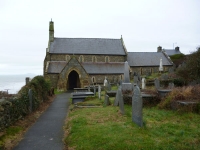
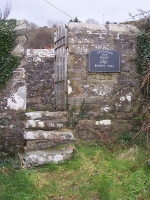
Llangelynin church is one of the oldest and remotest churches in Wales; it dates from the 12th Century. Saint Celynin might have erected a religious edifice on the site in the 6th Century since St. Celynin’s well is in the corner of the church yard. The well is a small rectangular pool with stone seats and stone walls. It was reputedly famous for its ability to cure sick children.
When Thomas Pennant was touring Wales, he noted that the three farms on the Nant were Tŷ Hen, Tŷ Canol and Tŷ Ychaf respectively.
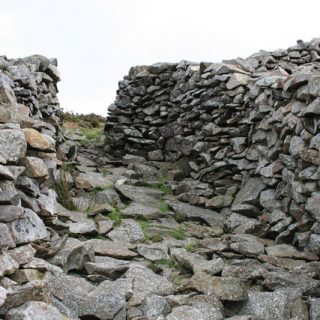
To the North of Pwllheli, between the main road from Llanaelhaearn to Llithfaen, and the coast, are three peaks known as ‘the Rivals’ in English and ‘Yr Eifl’ in Welsh. Upon the eastern peak is an Iron Age hill fort called Tre’r Ceiri which is regarded by many as the most important prehistoric town in North Wales if not the whole of Europe.
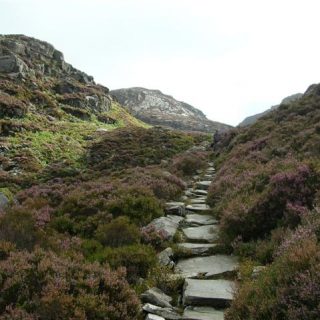
On a popular walking route for ramblers and hikers, from Cwm Bychan through Bwlch Tyddiad and around Rhinog Fawr, you will encounter the Roman Steps. These steps made in the hills are commonly said to have been constructed by the Romans to facilitate the ascent and descent of their sentries to and from the pass of Bwlch Tyddiad (1,294 ft and 7.5 miles out of Llanbedr).
The Meini Hirion or ‘long stones’ are a pair of standing stones situated in Llanbedr. They are in a livestock field on the left hand side of the village as you travel north towards Pen-sarn. The field regularly floods when there is a high tide, and the stones are partially obscured by a large tree which grows close by them.
Saint Bueno was born in Powys, and became a missionary who had the protection of the King of Gwynedd, Cadfan. Bueno was awarded the village of Clynnog Fawr where he founded a church in 630.AD. Later the site became a monastery of great importance in Wales, since manuscripts have been found to say that the Abbot of Clynnog was entitled to a seat at the court of the King of Gwynedd.
In Clynnog Fawr, the shrine to Saint Bueno is a disproportionately large church for the size of the village, it dominates the area, and it’s probably one of the most important churches in North Wales.
Located in the village of Llanaelhaearn, the church is named after Aelhaearn, a disciple of Saint Beuno who travelled to the area in the 5th and 6th Centuries. In Wales this period was known as the ‘Age of Saints’ but in England, as ‘The Dark Ages’.
Recent Comments