Country and County: Wales
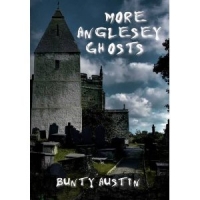
More Anglesey Ghosts is the follow up to Buty Austin’s book, Haunted Anglesey, and touchingly dedicated to her late husband Walt. In this book Bunty has retuned to her favourite stomping ground and brings to her readers a new collection of ghostly sightings and paranormal encounters set to keep you up at night.
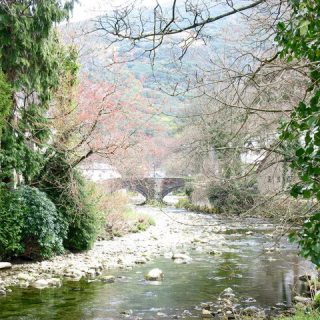
The following folk tale of a haunting beside the River Colwyn in Beddgelert was taken from Elias Owen’s Welsh Folk-Lore (1896). ‘It is said that a young man was about to marry a young girl, and on the evening before the wedding they were rambling along the water’s side together, but the man was false, and loved another better than the woman whom he was about to wed.
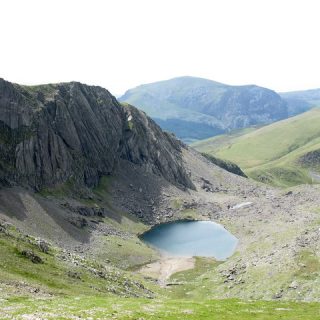
The following tale of Llyn y Forwyn (Damsel’s Pool) appeared in ‘Celtic Folklore Welsh And Manx’ (1901) by John Rhys and was in turn a translation of a Welsh language version featured in Elfed and Cadrawd’s ‘Cyfaill yr Aelwyd a’r Frythones’ (1892).
In ‘Celtic Folklore Welsh And Manx’ (1901) John Rhys describes the following tale he was told concerning a fairy bride in the summer of 1881. ‘An old woman, called Siân Dafydd, lived at Helfa Fawr, in the dingle called Cwm. Brwynog, along the left side of which you ascend as you go to the top of Snowdon, from the village of lower Llanberis, or Coed y Ddol, as it is there called.
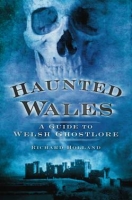
In Haunted Wales (2011), Richard Holland quotes an old account of an experience with the reputed phantom of Lady Prendergast. It was the experience of a farmer named Morus Roberts from Croesor Bach who came across the ghost at Gwernydd in Beddgelert parish.
The following folk tale by Edward Hamer appeared in a publication entitled ‘Parochial Account of Llanidloes’ (1877) and repeated in Elias Owen’s ‘Welsh Folklore’ (1973).
The following story of a ‘Road Ghost’ on the A4076 at Steynton appeared on Wales Online, 7 August 2011.
The ghosts of Wales are bold and memorable, forceful in character often terrifying and sometimes even dangerous. In a new book by Richard Holland and published by The History Press you realise that Wales is a fearfully haunted place with possibly more ghosts and goblins than in England or any other country.
The following is the tale of Kilhwch and Olwen or the Twrch Trwyth as told by Lady Charlotte Guest in her 1877 translation of The Mabinogion.
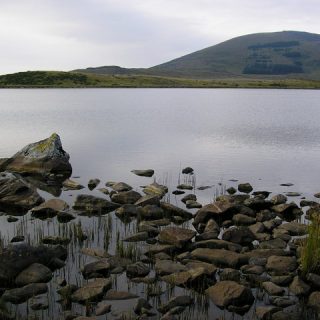
There is an old local tradition about Llyn Irddyn, that it is unwise to walk too close the shore or the water’s edge because it is inhabited by mischievous fairies. However, they cannot harm you if you walk on the grass.

Recent Comments