Willy Howe (Willie Howe or Willey-Hou), Neolithic Round Barrow
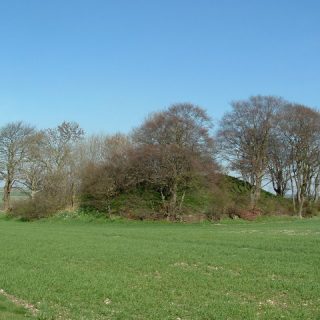
Found between Burton Fleming and Wold Newton, Willy Howe is a large Neolithic round barrow which stands close to the Gypsy Race.
Ancient Sites / Burial Mounds / English Fairies / English Folktales / Fairies / Folklore / Folktales
by Ian · Published January 8, 2016 · Last modified November 29, 2018
Found between Burton Fleming and Wold Newton, Willy Howe is a large Neolithic round barrow which stands close to the Gypsy Race.
English Fairies / English Folktales / Fairies / Folklore / Folktales
by Ian · Published January 8, 2016 · Last modified November 29, 2018
The following extract has appeared in many books on folklore and is attributed to William of Newburgh (or William of Newbridge, depending on who you read). William of Newburgh was born in Bridlington in 1136
English Fairies / Fairies / Folklore
by Ian · Published January 8, 2016 · Last modified November 29, 2018
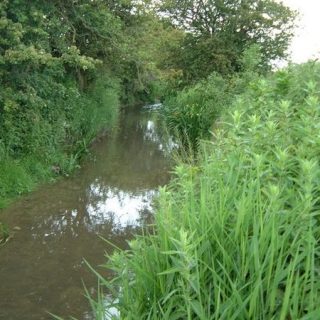
The Gypsy runs from the Great Wold Valley and out into the North Sea at Bridlington. Bad fortune is said follow when the Gypsey Race flows. The following description of the Gypsey Race was published as response to a letter in the Bridlington Free Press on Wednesday 21 May 2008.

Apparitions / Hauntings / Other Mysteries
by Ian · Published January 2, 2016 · Last modified December 15, 2018
On 26 December 1908 an apparition was witnessed outside the vicarage in East Rudham. The apparition, witnessed by several people was identified as Rev. Dr. Hugh Astley, the Vicar of East Rudham. Astley had recently been in a railway accident, bt was not dead, so this was a strange experience involving the apparition of a living person, known all three witnesses.
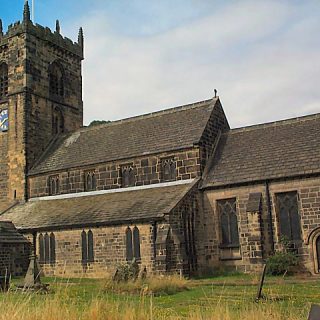
St. Wilfrid’s Parish Church is a Grade II listed building, the earliest parts of which date from the 11th or 12th century, though there may have been an earlier structure on the site.
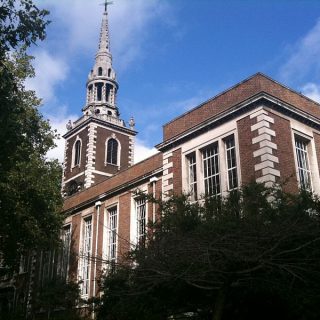
The ghost of Richard Cloudesley is associated with the parish church of St Mary in Islington. The account of the haunting extracted below is taken from a publication entitled ‘The Islington ghost! A short account of the burial of a gentleman [R. Cloudesley] with a relation of several strange appearances which followed! (1842)’.
The following article entitled ‘Lively Christmas “Ghost”’ was published in the Dundee Courier on Monday 24 December 1923. ‘Occupants Driven From Their New Home. Owner Struck On The Neck With Orange.
According to ‘County Folk-Lore Volume VI – Examples of Printed Folk-Lore Concerning The East Riding of Yorkshire (1911)’ edited by Eliza Glutch. ‘On Christmas morning in Hull the children come in droves, pealing at your door-bell in order to wish you "a merry Christmas." The following is a favourite doggerel:
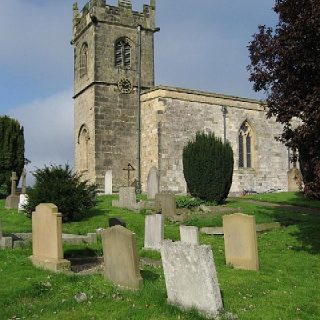
It has been suggested that burying someone face down is a sign of disrespect for the deceased and a way to possibly humiliate them. One such burial may have taken place in Bugthorpe (or Buckthorpe) Churchyard according to Rev. J. W. Appleford in his 1880 book ‘A Brief Account of the Parish and Church of St.
December / Festivals / Folklore
by Ian · Published December 14, 2015 · Last modified November 29, 2018
The following New Year traditions from East Yorkshire were published in ‘County Folk-Lore Volume VI – Examples of Printed Folk-Lore Concerning The East Riding of Yorkshire (1911)’ which was edited by Eliza Glutch.
All peacock feathers must be thrown out before New Year’s Day, or else you will have ill luck.
More
Recent Comments