Mull of Galloway
According to legend this was the last stronghold of the Picts. In their last battle with the King of Scotland they were all killed bar two, a father and son.
According to legend this was the last stronghold of the Picts. In their last battle with the King of Scotland they were all killed bar two, a father and son.
Apparitions / Buried Treasure / Hauntings / Legends
by Ian · Published August 13, 2008 · Last modified January 1, 2019
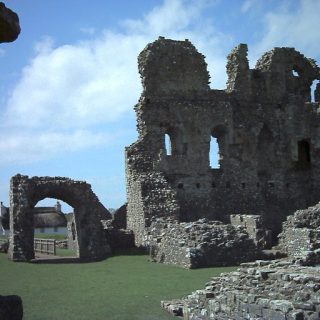
A ghostly White Lady is supposed to have killed a greedy treasure seeker in these ruins. On his first visit he had encountered the ghost and tried to speak to her for which he was rewarded a few coins from the treasure she guards. He made a return visit to alleviate her of the burden of looking after so much treasure, but was caught by the White Lady who scratched him.
Cryptozoology / Folklore / Legends
by Ian · Published August 12, 2008 · Last modified December 18, 2018
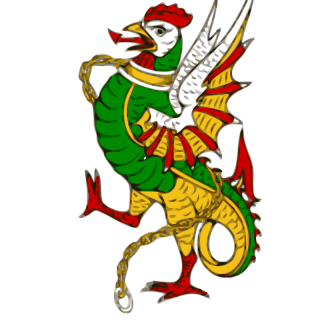
A Cockatrice was supposedly killed here when the peat in which it was hiding were set on fire. It had, according to local tradition been found whilst still in its egg. A woman had got her hen to sit on the egg until it hatched. Unfortunately when it hatched it ate the hen’s chicks then ran off.
Aquatic Monsters / Cryptozoology / Hauntings / Legends / Wells
by Ian · Published August 12, 2008 · Last modified January 11, 2019
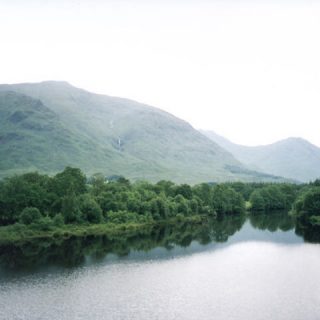
Loch Awe is Scotlands third largest fresh water loch at with a length of 35km and total surface area of 14.9 miles. It shares a common legend about its creation which concerns a well that flooded.

Ancient Sites / Burial Mounds / Giants / Legends / Standing Stones / Stone Circles
by Ian · Published August 12, 2008 · Last modified December 16, 2018
Three ancient stones on the road to Fruid Reservoir from Tweedsmuir are linked with the legend and death of Jack the Giantkiller.
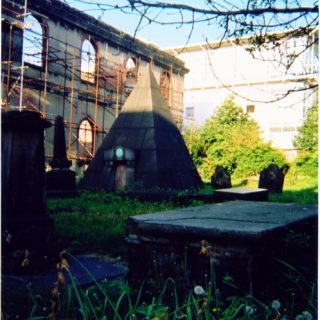
A pyramid monument to the William McKenzie (20 March 1794-29 October 1851) rests in the churchyard of the (currently disused and needing restoration) Scottish Presbyterian Church of St Andrew’s, dating from 1824. McKenzie made his fortune as a civil engineer in the Victorian era but it is the nature of his burial, or lack of it that has become legendary.
Apparitions / Buried Treasure / Hauntings / Legends
by Ian · Published August 12, 2008 · Last modified December 29, 2018
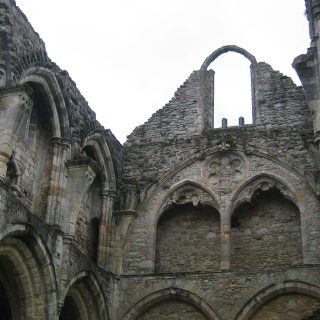
Netley Abbey was a Cistercian House founded in 1239 by Peter des Roches, Bishop of Winchester though he died before it was completed. Henry II took a keen interest in the Abbey and became its royal patron.
Anniversary Ghosts / Apparitions / Hauntings / Legends / Occult
by Ian · Published August 11, 2008 · Last modified December 29, 2018
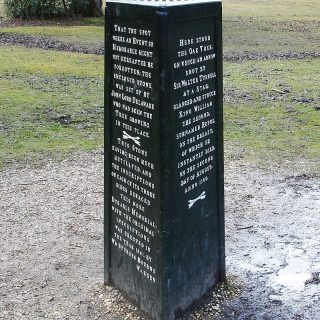
The Rufus stone (now encased in metal) erected by Earl De La Warr in 1745, marks the location where King William II of England (referred to as William Rufus due to his red faced complexion) died in a hunting accident on 2 August 1100. Some mystery still envelopes the events of his death.
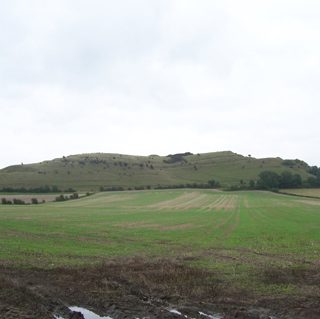
Cley hill has a Devil legend attached to it. The Devil was travelling from Somerset carrying a huge sack of earth, with which he intended to bury the town of Devises. The people of the town had offended him in some way probably by converting to Christianity.
More
Recent Comments