Category: Apparitions

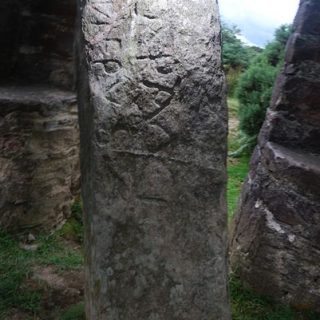
Caractacus Stone

This standing stone has a number of traditions associated with it, it looks very much like a Neolithic standing stone, although sources suggest that it actually dates to the fifth century, during the end of the Roman occupation. The name of the stone is certainly of Roman origin although it may have been old during the Roman period.
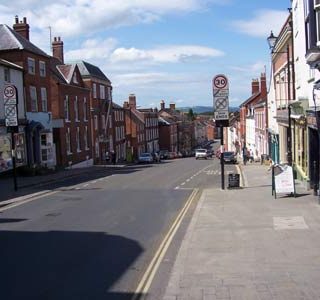

Corve Street, Ludlow

Once the site of a Grey Friars Priory with links to St Leonard’s Church, this street now has the reputation of being haunted. A nurse called Evelyn Sheppard had a strange experience there in 1971. "In front of me was a refined-looking gentleman wearing the style of clothes associated with the caricature of John Bull.

St Lawrence’s Churchyard, Ludlow

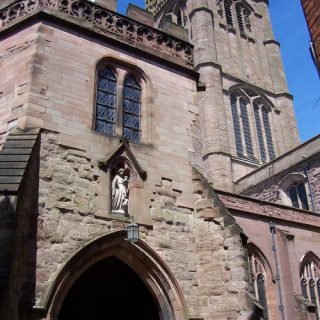
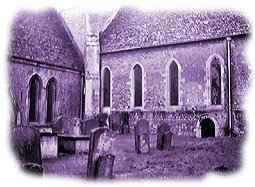
This Norman church who’s foundations date from 1100AD is supposedly haunted by an old woman, wearing a long robe and having grey hair. She moves through the churchyard between the graves and also near the rectory.  It has been suggested that she may be more popular on summer evenings.

The Dingle, Shrewsbury

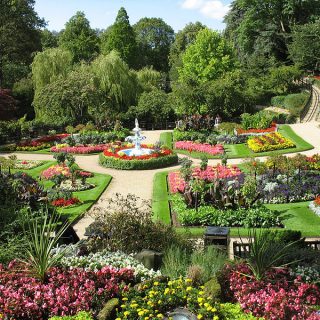
Now an ornate pond in the civic gardens known as The Quarry, the Dingle is haunted by a ghost that was identified in the 1800s as Mrs Foxhall. She was burnt alive there in 1647 for the murder of her husband by poisoning.

Raven Meadows, Shrewsbury

Supposedly haunted by a milkmaid who keeps repeating "Weight and measure sold I ever, milk and water sold I never" as she walks up and down. Perhaps she has a guilty conscience about something.

The Acton Arms, Morville

The ghost that haunts this 18th century establishment appeared every day and sometimes more than once each day according Mrs Mary Walker, the landlady during the early 1970s. It was described as "like seeing a sheet flick from one door to the other". In 1973 Marc Alexander nominated The Acton Arms as England’s most frequently haunted inn.

The Swan Hotel, Telford

Haunted by Humphrey, the victim of a mugging in the 1800s. He was seen by the former cook, Mrs Peggy Sayer on the landing. He was described as wearing a thick leathery coat and trousers.

Faringdon Churchyard

The churchyard is said to be haunted by the headless apparition of Hampden Pye, who was an Officer in the Royal Navy during the 17th century.

According to the story Hampden’s step mother hated him and bribed the captain of his ship to have him accidentally decapitated by a cannon during an engagement.