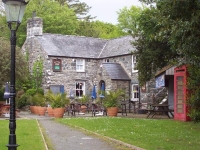
A Snowdonia guide specialising in walks starting from pubs, mentioned that the Ysgethin Inn was haunted. It did not elaborate further, other to say that the ghost had been heard by the staff, though not actually seen it. The building was originally a pandy (fulling mill) and dates from early 1788.
No other country on earth has such rich dragon lore as the British Isles. Our tiny little homeland is crawling with legends of these beasts. If you have ever wondered if there is a dragon legend close to where you live, then take a look at the following list.
The Whetstone of Tudwal Tudglyd is one of the Thirteen Treasures of Britain. It would magically enhance the sword of a brave man should he sharpen it with this whetstone, enabling the sword to draw the very life out of any man wounded by the weapon.
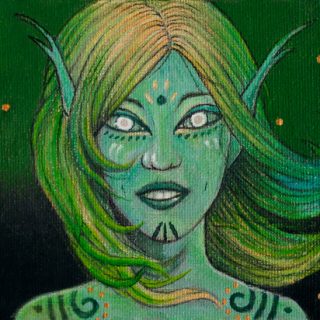
Tylwyth Teg is a general name for the fairies in Wales, it means the ‘fair folk’. Like the Bendith y Mamau the flattering name was thought to appease them.
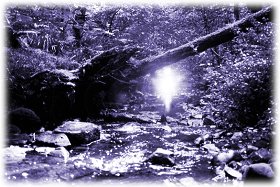
The Will o’ the Wisp is the most common name given to the mysterious lights that were said to lead travellers from the well-trodden paths into treacherous marshes. The tradition exists with slight variation throughout Britain, the lights often bearing a regional name.
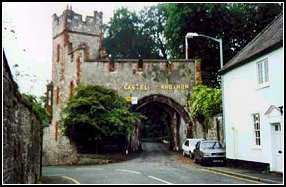
Before I begin I would like to say that I spent my honeymoon at Ruthin Castle, and found the accommodation and service exemplary. I would recommend staying in the castle to anybody, and I cannot overstate how much I enjoyed the Medieval Banquet which they host on a regular basis.
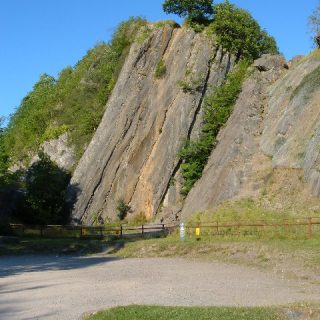
The Rock of the Fortress, was a hillfort during the Iron Age period, it is supposed to have been one of the last place the fairies lived in Britain. The following legend conforms to a folklore motif found throughout the country, namely that of sleeping warriors under hollow hills.
The word "gwiber" in Welsh means viper or adder but many centuries ago the word actually meant "flying snake" . This is the story of how Wibernant (meaning "valley of the gwiber) which is near Penmachno got its name.
The story of Pwyll is found in the Mabinogion, a collection of old Welsh stories translated by Lady Charlotte Guest, and published in 1849. It describes how Pwyll the Lord of Dyfed meets the underworld king Arawn and how the two become close allies.
Our Mysterious Britain & Ireland site uses cookies to improve your experience. We assume you are ok with this, but you can opt-out if you wish. AcceptRead More
Privacy & Cookies Policy
Privacy Overview
This website uses cookies to improve your experience while you navigate through the website. Out of these cookies, the cookies that are categorized as necessary are stored on your browser as they are essential for the working of basic functionalities of the website. We also use third-party cookies that help us analyze and understand how you use this website. These cookies will be stored in your browser only with your consent. You also have the option to opt-out of these cookies. But opting out of some of these cookies may have an effect on your browsing experience.
Necessary cookies are absolutely essential for the website to function properly. This category only includes cookies that ensures basic functionalities and security features of the website. These cookies do not store any personal information.
Any cookies that may not be particularly necessary for the website to function and is used specifically to collect user personal data via analytics, ads, other embedded contents are termed as non-necessary cookies. It is mandatory to procure user consent prior to running these cookies on your website.
Recent Comments